

How to Start a Career in International Development: A Complete Guide for Aspiring Humanitarian Professionals
Introduction
Starting a career in international development represents one of the most rewarding professional pathways for individuals committed to creating meaningful global change. The sector encompasses diverse opportunities spanning humanitarian aid, sustainable development, public health, education, economic empowerment, and environmental conservation. However, breaking into this competitive field requires strategic planning, relevant qualifications, practical experience, and a clear understanding of the sector's unique demands and expectations.
This comprehensive guide provides aspiring humanitarian professionals with actionable strategies, essential insights, and practical guidance to successfully navigate the international development career landscape. Whether you are a recent graduate, career changer, or professional seeking to transition into development work, this article addresses the fundamental steps, qualifications, experiences, and approaches needed to establish a meaningful and sustainable career in this sector.
Understanding International Development as a Career Path
International development encompasses a broad spectrum of work aimed at improving living conditions, reducing poverty, promoting human rights, and fostering sustainable economic and social progress in communities worldwide. The sector includes international non-governmental organisations, bilateral and multilateral development agencies, United Nations bodies, government departments, social enterprises, and research institutions.
Career opportunities within international development span numerous specialisations including project management, monitoring and evaluation, programme coordination, policy analysis, advocacy, communications, research, financial management, logistics, and technical advisory roles in sectors such as health, education, water and sanitation, agriculture, and governance. Understanding this diversity helps aspiring professionals identify which pathway aligns with their skills, interests, and values.
The current landscape of international development is evolving rapidly, with increasing emphasis on localisation, decolonising aid, climate adaptation, digital transformation, and systems-thinking approaches. Professionals entering the field today must demonstrate not only technical competence but also cultural sensitivity, adaptability, collaborative mindset, and commitment to equity and inclusion.
Educational Qualifications and Academic Pathways
Whilst there is no single prescribed educational route into international development, most organisations require at minimum a bachelor's degree in a relevant discipline. Popular undergraduate fields include international relations, development studies, economics, public health, political science, environmental science, social work, and area studies focusing on specific regions such as African studies or Latin American studies.
Increasingly, employers prefer candidates with postgraduate qualifications, particularly for mid-level and senior positions. Master's degrees in international development, development economics, public health, humanitarian action, sustainable development, conflict resolution, or related fields provide specialised knowledge, theoretical frameworks, and analytical capabilities valued by organisations. Many universities now offer distance learning and part-time options, enabling professionals to pursue advanced degrees whilst gaining practical experience.
Beyond formal degrees, professional certifications and short courses in project management (such as PRINCE2 or PMD Pro), monitoring and evaluation, humanitarian standards (Sphere, Core Humanitarian Standard), proposal writing, and sector-specific technical areas enhance employability and demonstrate commitment to professional development. Online learning platforms have democratised access to quality training, making it easier for aspiring professionals to acquire relevant skills regardless of location or financial constraints.
Gaining Relevant Practical Experience
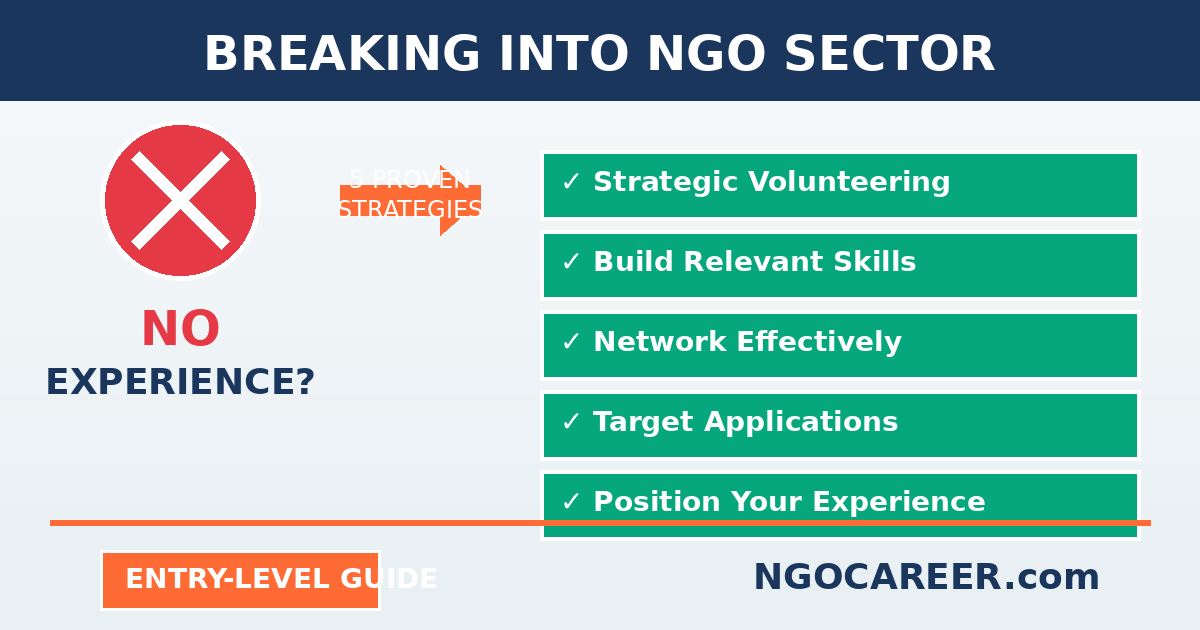
Practical experience remains the most critical factor in securing employment within international development. Organisations consistently prioritise candidates who demonstrate hands-on understanding of development contexts, project cycles, stakeholder engagement, and field realities. For those without existing experience, several pathways can provide entry points into the sector.
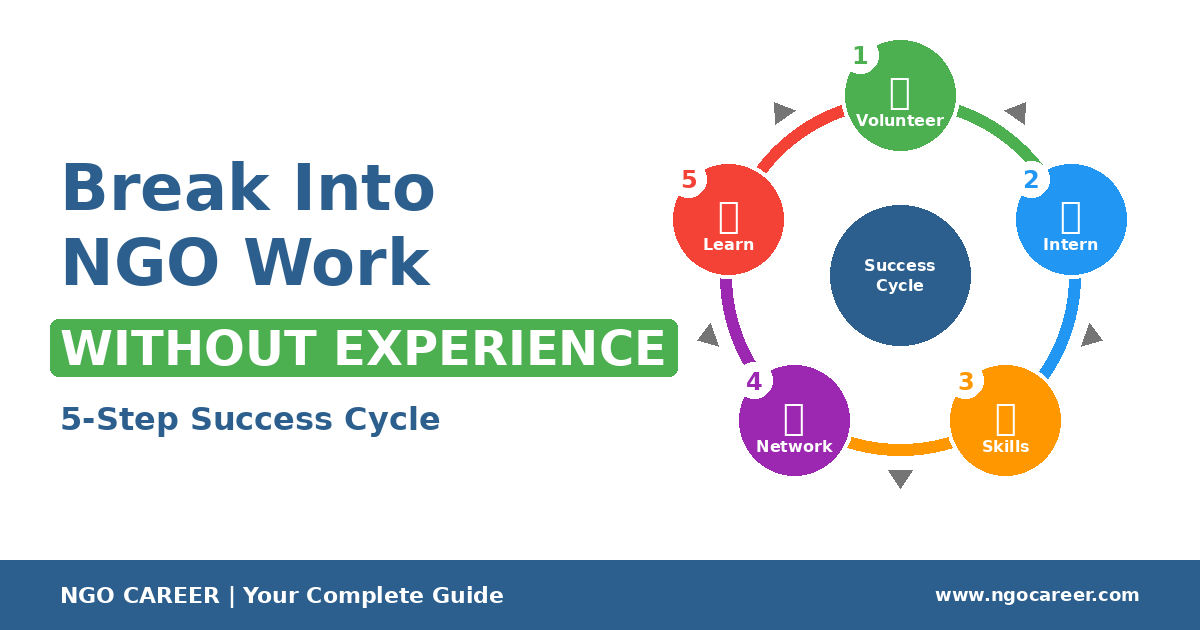
Volunteering represents a valuable starting point, particularly through structured programmes that offer training, supervision, and clearly defined roles. International volunteering schemes such as VSO, Peace Corps, or UN Volunteers provide immersive experiences, whilst local volunteering with community organisations, refugee support services, or domestic NGOs develops transferable skills and demonstrates commitment. However, aspiring professionals should approach volunteering critically, ensuring placements provide genuine learning opportunities rather than exploitative arrangements.
Internships with development organisations offer structured learning environments and professional mentorship. Whilst many internships are unpaid or offer minimal stipends, they provide networking opportunities, practical skills development, and credible experience for CVs. Research potential organisations carefully, seeking those with established internship programmes, clear learning objectives, and ethical practices.
Entry-level positions such as programme assistants, project officers, research assistants, or field coordinators provide paid pathways into the sector. These roles often require some prior experience through volunteering or internships but offer professional development, responsibility, and progression opportunities. Flexibility regarding location, particularly willingness to work in hardship or remote contexts, significantly increases access to entry-level opportunities.
Consultancy work, although typically requiring established expertise, can provide flexible entry for professionals with specialised skills in areas such as monitoring and evaluation, research, communications, or technical advisory services. Building a consultancy portfolio whilst maintaining other employment can gradually establish credibility and networks within the sector.
Essential Skills for International Development Careers
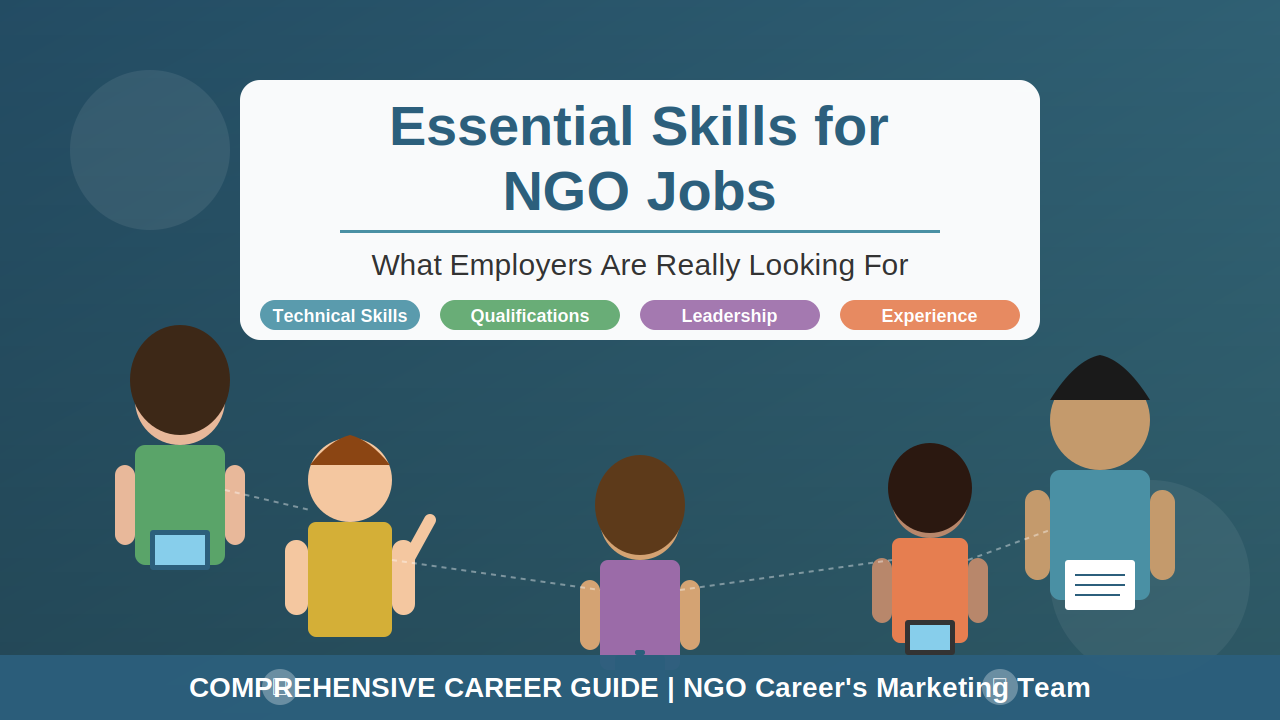
Beyond qualifications and experience, successful international development professionals possess a distinctive skill set combining technical competencies, interpersonal capabilities, and personal attributes. Project management skills including planning, budgeting, monitoring, reporting, and evaluation form the foundation of most development roles. Understanding the project cycle from needs assessment through implementation to impact measurement is essential.
Communication skills encompass written abilities for proposal writing, report preparation, and policy briefs, alongside verbal skills for stakeholder engagement, training delivery, and advocacy. The capacity to communicate complex ideas clearly to diverse audiences including donors, government officials, community members, and media is invaluable.
Analytical and research skills enable professionals to assess contexts, identify problems, evaluate evidence, and design appropriate interventions. Familiarity with qualitative and quantitative research methodologies, data analysis tools, and evidence-based programming strengthens professional effectiveness.
Cultural competence and intercultural communication skills are fundamental for working effectively across diverse contexts. This includes self-awareness regarding one's own cultural assumptions, openness to different worldviews, ability to build trust across cultural boundaries, and commitment to respectful partnership approaches.
Language skills significantly enhance career prospects, particularly proficiency in French, Spanish, Arabic, Portuguese, or Mandarin. Even basic conversational ability demonstrates cultural respect and facilitates community engagement in field contexts.
Networking and Building Professional Connections
Networking plays a crucial role in accessing opportunities within the relatively close-knit international development community. Building genuine professional relationships opens doors to unadvertised positions, provides mentorship opportunities, and facilitates knowledge exchange.
Professional associations such as the British Overseas NGOs for Development (BOND), International Association for Development Evaluation, or sector-specific networks provide platforms for learning, advocacy, and connection. Attending conferences, webinars, and professional events, even virtually, expands networks and demonstrates sector engagement.
Social media platforms, particularly LinkedIn and Twitter, enable professionals to follow organisations, engage with thought leaders, and participate in sector discussions. Maintaining an updated, professional online presence enhances visibility to potential employers and collaborators.
Informational interviews with professionals working in desired roles or organisations provide invaluable insights into career pathways, organisational cultures, and application processes. Most development professionals are willing to share their experiences and advice with genuine, respectful inquiries.
Alumni networks from universities or professional programmes connect individuals with shared educational backgrounds and often provide mentorship schemes, job boards, and networking events specifically for international development careers.
Job Search Strategies and Application Processes
Securing positions in international development requires strategic, persistent job searching. Specialist recruitment websites including Devex, ReliefWeb, DevNetJobs, and BOND Jobs Board aggregate opportunities from organisations worldwide. Setting up job alerts for specific roles, locations, or organisations ensures timely awareness of new postings.
Organisation websites remain essential resources, as many positions are posted exclusively on institutional career pages. Identifying priority organisations and regularly checking their opportunities demonstrates initiative and focus.
Understanding application requirements and tailoring submissions accordingly significantly improves success rates. Development organisations typically require comprehensive CVs emphasising relevant experience, competency-based cover letters addressing specific selection criteria, and sometimes additional materials such as writing samples or references. Generic applications rarely succeed in this competitive sector.
Preparing for competency-based interviews involves developing clear examples demonstrating key competencies such as teamwork, problem-solving, stakeholder management, adaptability, and results achievement using the STAR (Situation, Task, Action, Result) framework. Researching organisations thoroughly, understanding their strategic priorities, and preparing informed questions demonstrates genuine interest and professionalism.
Challenges and Opportunities in International Development Careers
Aspiring professionals should understand both the rewards and challenges inherent in international development careers. The sector offers meaningful work contributing to global justice and human wellbeing, diverse experiences across cultures and contexts, continuous learning opportunities, and connections with passionate, committed colleagues.
However, challenges include competitive entry barriers, often requiring voluntary or low-paid initial experiences; precarious employment with short-term contracts and limited job security; potential exposure to difficult working conditions, security risks, or vicarious trauma; modest compensation compared to private sector alternatives; and work-life balance pressures particularly in emergency contexts.
The sector also faces ongoing critique regarding power dynamics, historical legacies of colonialism, aid effectiveness, and genuine partnership with local communities. Aspiring professionals should engage critically with these debates, committing to ethical practice, continuous reflection, and decolonial approaches in their work.
Future Trends and Outlook
The international development sector continues evolving in response to global challenges including climate change, pandemic preparedness, conflict and displacement, and growing inequality. Future opportunities will likely emphasise climate adaptation and resilience, digital inclusion and technology for development, localisation and strengthening civil society in the Global South, integrated approaches addressing interconnected challenges, and innovative financing mechanisms.
Professionals entering the field should develop skills in these emerging areas, maintain flexibility and willingness to learn, and commit to reflexive practice that centres community agency, challenges power imbalances, and prioritises locally-led development.
Conclusion
Starting a career in international development requires dedication, strategic planning, continuous learning, and realistic expectations. Whilst the pathway may be challenging, particularly in the early stages, the opportunity to contribute meaningfully to global progress and human dignity makes this career journey profoundly rewarding. By pursuing relevant education, gaining practical experience, developing essential skills, building professional networks, and maintaining ethical commitment to equitable development, aspiring humanitarian professionals can establish successful and impactful careers in this vital sector.
Success ultimately depends not only on individual qualifications and competencies but on genuine commitment to solidarity, justice, and respectful partnership with communities worldwide. The international development sector needs thoughtful, skilled, reflective professionals ready to work collaboratively towards a more just and sustainable world.
Frequently Asked Questions
What qualifications do I need to work in international development?
Most positions require at minimum a bachelor's degree in a relevant field such as international relations, development studies, economics, or public health. Increasingly, employers prefer master's degrees in specialised areas. However, practical experience, relevant skills, and demonstrated commitment often matter as much as formal qualifications.
Can I start an international development career without prior experience?
Yes, through strategic volunteering, internships, entry-level positions, or by leveraging transferable skills from other sectors. Starting locally with community organisations or domestic NGOs can provide initial experience that later translates to international opportunities.
Do I need to speak multiple languages to work in international development?
Whilst not always mandatory, language skills significantly enhance career prospects and effectiveness. English proficiency is essential for most positions, whilst French, Spanish, Arabic, or Portuguese opens additional opportunities, particularly for field-based roles in specific regions.
How competitive is the international development job market?
The sector is highly competitive, particularly for entry-level positions and with prestigious organisations. However, opportunities exist for candidates who are flexible regarding location, willing to work in challenging contexts, and possess specialised technical skills in areas of high demand.
What is the typical salary range for international development careers?
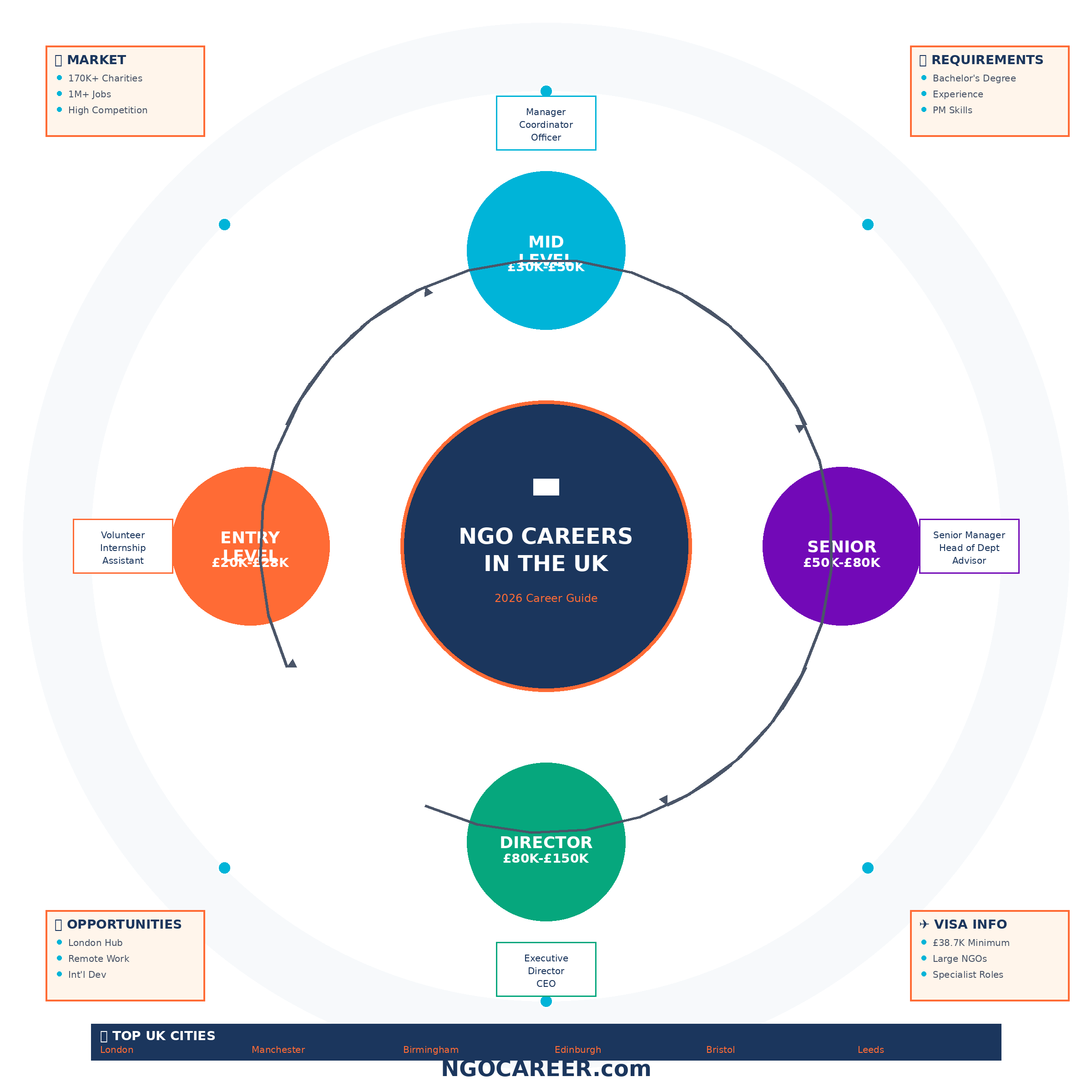
Salaries vary considerably based on organisation type, position level, location, and experience. Entry-level positions may offer £25,000-£35,000 annually, mid-level roles £40,000-£60,000, and senior positions £70,000-£100,000 or more. International positions often include additional benefits such as housing allowances and hardship pay.
How long does it typically take to establish a career in international development?
Career progression varies individually, but many professionals spend 2-5 years building foundational experience through volunteering, internships, and entry-level positions before securing stable mid-level roles. Patience, persistence, and strategic career planning facilitate progression.
References
Darcy, J. and Hofmann, C.A. (2003) According to Need? Needs Assessment and Decision-Making in the Humanitarian Sector. London: Humanitarian Policy Group, Overseas Development Institute.
Eyben, R. (2014) International Aid and the Making of a Better World: Reflexive Practice. Abingdon: Routledge.
ICAI (2022) A Review of Career Pathways in UK Aid. London: Independent Commission for Aid Impact.
Mosse, D. (2011) 'Adventures in Aidland: The Anthropology of Professionals in International Development', Development and Change, 42(3), pp. 1-27.
OECD (2023) Development Co-operation Report 2023. Paris: OECD Publishing.
Shutt, C. (2021) 'Professionalisation and Localization: A False Dichotomy for Development Practice?', Development in Practice, 31(8), pp. 1045-1057.





Leave a Reply
Required fields are marked *