

How to Get Into NGO Work Without Experience: Proven Strategies
Introduction
Breaking into the non-governmental organisation (NGO) sector without prior experience presents a common challenge for graduates and career changers pursuing meaningful work. Thousands of passionate individuals seek careers addressing global issues from poverty reduction to climate action, yet face a persistent paradox: employers want experienced candidates, whilst entry-level opportunities remain scarce.
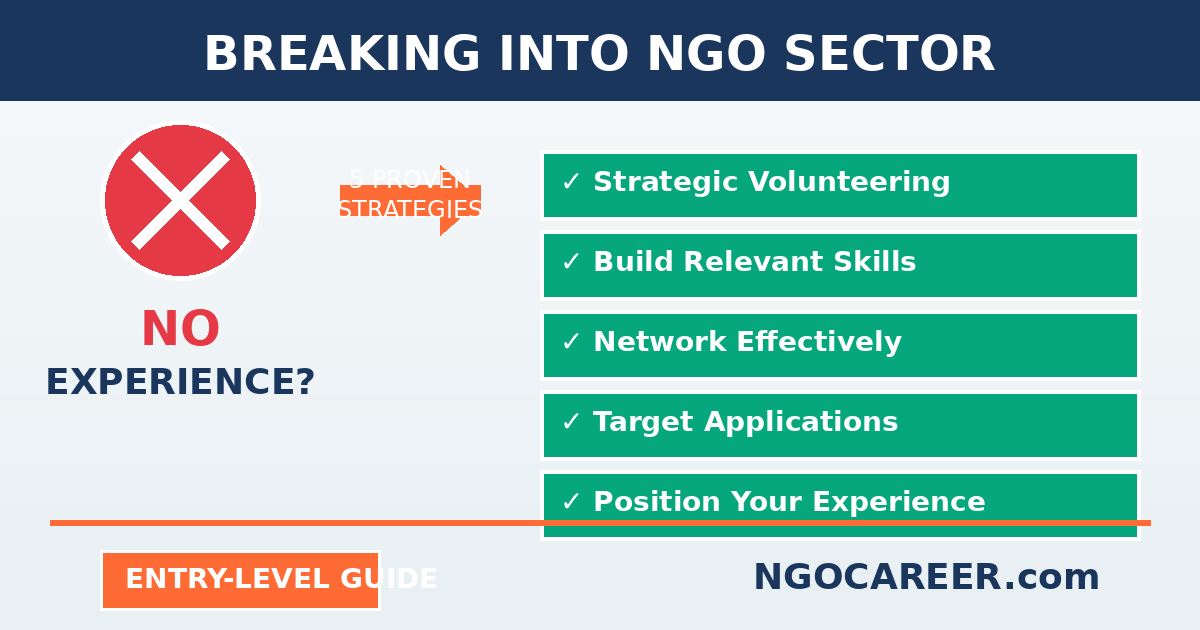
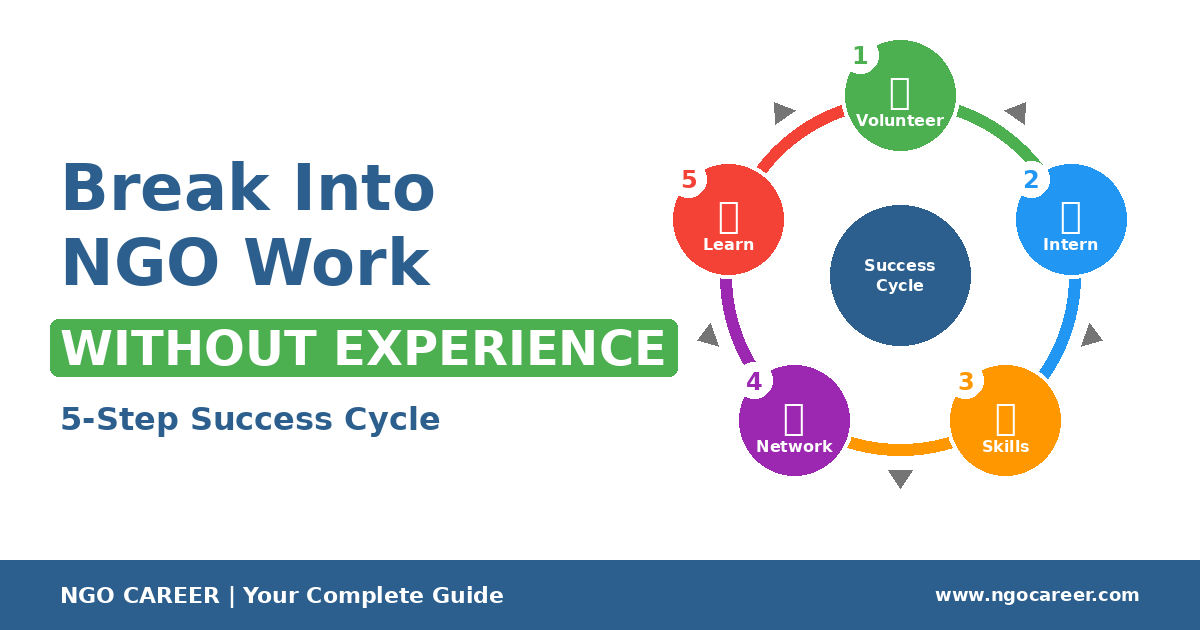
To break into the NGO sector without direct experience, entry-level candidates should focus on gaining practical experience through volunteering and internships, highlighting transferable skills, and actively networking within the sector. Persistence and demonstrating genuine passion for the cause are also essential. This comprehensive guide explores practical, proven strategies that enable determined candidates to overcome the experience barrier and launch successful careers in humanitarian and development work.
Understanding the NGO Employment Challenge
The NGO sector encompasses extraordinary diversity, ranging from small community organisations to large international agencies such as Oxfam, Save the Children, and Médecins Sans Frontières. These organisations address complex challenges including health crises, educational inequities, human rights violations, environmental degradation, and economic development across virtually every country worldwide.
Entry-level candidates face several distinct barriers:
- Budget constraints prevent many NGOs from investing in extensive training programmes for inexperienced staff
- Competition remains intense, with hundreds of applications for single positions at prestigious organisations
- Many roles require field experience, technical expertise, or language proficiency that recent graduates lack
- Smaller organisations need staff who can contribute immediately rather than requiring supervision
- International positions often demand cultural adaptability and prior overseas experience
Understanding these structural challenges enables candidates to develop targeted strategies that acknowledge constraints whilst identifying genuine opportunities within the sector's complexity.
Gain Practical Experience Through Strategic Volunteering
Volunteering represents one of the most effective ways to get a foot in the door of the NGO sector. Strategic volunteering provides hands-on experience that demonstrates commitment whilst building professional capabilities and expanding networks.
Select Opportunities Aligned With Career Goals
Offering your time to local or international NGOs, either in person or remotely, demonstrates genuine commitment whilst helping you understand the sector's day-to-day operations. However, strategic volunteering differs from accepting any available opportunity without consideration of career objectives.
Key platforms for finding volunteer opportunities:
- Idealist connects volunteers with values-driven organisations worldwide
- UN Volunteers Online offers remote volunteering across numerous UN agencies
- Catchafire matches skilled professionals with NGOs needing specific expertise
- CharityJob features UK-based volunteering opportunities alongside paid positions
- ReliefWeb lists humanitarian volunteering and employment opportunities globally
Consider the skills you wish to develop when selecting volunteer positions. If you aim for programme management roles, seek opportunities involving project coordination, monitoring activities, or beneficiary engagement. If communications appeals to you, target roles involving content creation, social media management, or advocacy campaigns.
Maximise Virtual Volunteering Opportunities
Virtual volunteering has expanded significantly, enabling individuals to contribute remotely whilst managing other commitments including studies or part-time employment. This flexibility allows candidates to gain experience regardless of geographic location or financial constraints.
Remote volunteering roles span diverse areas:
- Translation and interpretation services
- Social media management and digital marketing
- Research and data analysis
- Grant writing and proposal development
- Website development and graphic design
- Administrative support and database management
- Online tutoring and capacity building
When volunteering remotely, maintain the same professionalism expected in paid employment. Communicate proactively with supervisors, meet deadlines consistently, participate actively in virtual meetings, and seek feedback to improve performance. These professional behaviours build reputations that lead to strong references and potential employment opportunities.
Start Small With Grassroots Organisations
Do not overlook smaller, grassroots organisations when seeking initial experience. These organisations often offer broader experience across different functions including social media management, event planning, fundraising, and grant writing, where candidates can take on more responsibility quickly.
Advantages of volunteering with smaller NGOs:
- Less bureaucracy enables faster skill development
- Greater visibility of your contributions to organisational success
- Opportunities to understand community-level challenges directly
- Stronger relationships with organisational leadership
- More diverse responsibilities across multiple functions
- Networks within the broader sector that facilitate career advancement
Working with grassroots organisations provides opportunities to see direct impact of interventions whilst building relationships with beneficiaries. These experiences prove invaluable during interviews, demonstrating practical understanding beyond theoretical knowledge.
Document Achievements and Request References
Treat volunteer roles with the same seriousness as paid employment, documenting specific achievements, responsibilities, and skills developed throughout each placement. Quantify impact where possible, noting metrics such as:
- Funds raised through campaigns or events
- Number of beneficiaries reached or supported
- Reports, articles, or content pieces produced
- Events organised and attendance achieved
- Social media growth or engagement improvements
- Volunteer hours contributed and projects completed
Request reference letters from volunteer supervisors before placements conclude, whilst your contributions remain fresh in their minds. Strong references from respected organisations carry significant weight with future employers, often compensating for lack of formal employment history.
Secure Meaningful Internship Experiences
Internships provide structured pathways into organisations, offering supervised learning experiences that develop technical competencies whilst enabling direct demonstration of capabilities to potential employers. Look for paid internships with larger, established NGOs that provide structured learning and valuable insight into organisational operations.
Target Paid Internship Programmes
Many paid roles are ultimately filled by individuals who started as interns, making these positions critical stepping stones rather than dead ends. Organisations offering formal internship schemes include:
- UNICEF and various UN agencies
- World Bank Group
- International development consultancies
- Large international NGOs with structured graduate programmes
- Government development agencies and their contractors
Paid internships enable candidates to gain experience without incurring financial hardship that makes unpaid placements inaccessible. Research organisations that explicitly offer compensation, even if modest, as this demonstrates organisational commitment to supporting emerging professionals.
Consider Academic Credit Opportunities
University students should explore internship programmes that offer academic credit, enabling experience-building whilst fulfilling degree requirements. Many international development, public policy, and related programmes include mandatory or optional placement components that connect students with NGOs.
Benefits of credit-bearing internships:
- Insurance coverage through educational institutions
- Academic supervision and structured reflection exercises
- Assessment frameworks that enhance learning
- Institutional relationships that facilitate placements
- Recognition within degree programmes
Begin searching for competitive internships well in advance, as application processes often involve multiple stages including written applications, assessments, and interviews.
Approach Unpaid Internships Strategically
Whilst paid opportunities remain preferable, unpaid internships sometimes provide valuable access to organisations and experiences otherwise unavailable. If considering unpaid placements, ensure they offer:
- Clear learning objectives and structured supervision
- Meaningful responsibilities rather than purely administrative tasks
- Networking opportunities with sector professionals
- Strong likelihood of reference letters or future employment
- Flexible schedules that enable supplementary income through part-time work
Develop financial plans that enable acceptance of unpaid opportunities when they align clearly with career objectives, potentially through shared living arrangements, part-time employment, or savings accumulated specifically for this purpose.
Highlight Transferable Skills From Previous Experience
NGOs require diverse skills spanning finance, information technology, human resources, marketing, and project management. Entry-level candidates must emphasise how existing skills from previous work, studies, or extracurricular activities apply to the NGO context, even without direct sector experience.
Identify Your Transferable Competencies
Key skills valued across the NGO sector include:
- Communication abilities encompassing written reports, verbal presentations, stakeholder engagement, and cross-cultural dialogue
- Teamwork and collaboration given the sector's emphasis on partnerships and collective impact
- Problem-solving and creativity enabling navigation of resource constraints and development of innovative solutions
- Organisation, time management, and flexibility allowing staff to juggle multiple priorities
- Digital literacy including social media management, data analysis tools, and virtual collaboration platforms
- Fundraising and donor relations supporting organisational sustainability
- Monitoring and evaluation demonstrating programme effectiveness
- Advocacy and campaigning influencing policy and systemic change
- Cultural sensitivity and adaptability essential for international work
- Resilience under pressure maintaining performance in challenging environments
Reflect on where you have demonstrated these capabilities, even in non-NGO contexts, and articulate how these experiences translate to development work.
Tailor Your Application Materials
Customise your CV and cover letter for each application, directly linking your skills and experiences to specific requirements in the job description and the NGO's mission. Generic applications rarely succeed in this competitive sector.
Effective application strategies:
- Research the organisation thoroughly before applying
- Reference specific programmes or initiatives in cover letters
- Use sector terminology including logframe, theory of change, safeguarding, and accountability
- Quantify achievements where possible rather than listing responsibilities
- Demonstrate understanding of the organisation's beneficiaries and stakeholders
- Explain precisely how your background enables contribution to their objectives
- Address selection criteria explicitly and comprehensively
Use concrete examples that demonstrate impact. Frame experiences using terminology familiar to the NGO sector, demonstrating awareness even without formal NGO employment history.
Build Professional Networks Within the Sector
Professional networking dramatically increases access to opportunities within the NGO sector, with research indicating that 60-80 per cent of positions are filled through referrals rather than advertised vacancies. Building relationships with people already working in NGOs can open doors to unadvertised opportunities whilst providing valuable sector insights.
Attend Industry Events
Participate in industry events, workshops, and conferences to meet professionals and learn about current trends. Many events now operate online, reducing barriers related to cost and geography whilst enabling participation from anywhere.
Organisations hosting regular sector events:
- Bond in the UK hosts networking events, conferences, and training sessions
- InterAction in the US convenes civil society professionals
- CONCORD in Europe facilitates networking across development organisations
- The Humanitarian Leadership Academy offers online and in-person learning opportunities
- University alumni groups host development-focused events featuring sector professionals
Approach events strategically by researching speakers and participants beforehand, preparing thoughtful questions, and following up with new connections afterwards. Professional conferences often include specific networking sessions, career fairs, or mentorship programmes designed to connect emerging professionals with established leaders.
Leverage LinkedIn and Online Communities
Use LinkedIn strategically to connect with professionals working in target organisations or roles, including alumni from your university who often prove particularly responsive to connection requests. Engage meaningfully with content shared by organisations and professionals:
- Comment thoughtfully on posts about sector developments
- Share relevant articles with your own insights
- Participate actively in discussion groups
- Follow organisations and professionals you admire
- Publish your own content demonstrating sector knowledge
Do not hesitate to request brief informational interviews over virtual coffee to seek advice from experienced professionals. Most people appreciate genuine interest in their career paths and willingly share guidance with emerging professionals. Prepare specific questions about their career journey, skills they consider most valuable, and advice for breaking into the sector.
Join Professional Associations
Many professional associations offer discounted memberships for young professionals whilst providing access to exclusive job opportunities, networking events, mentorship programmes, and skill-building workshops.
Valuable professional associations:
- Humanitarian Leadership Academy connects professionals across humanitarian sectors
- International Development Professionals facilitates networking and learning
- Sector-specific networks focusing on health, education, environment, or governance
- Regional development networks operating across UK cities
- Alumni associations from universities with strong development programmes
Association membership demonstrates commitment to professional development whilst signalling sector engagement to potential employers. Many associations maintain job boards featuring opportunities not advertised elsewhere, giving members competitive advantages.
Pursue Continuous Professional Development
Demonstrating commitment to the field through continuous learning significantly enhances employability whilst building competencies required for NGO work.
Consider Further Education Strategically
A postgraduate qualification in relevant fields such as International Development, Human Rights, Public Health, or Humanitarian Studies can provide significant advantages, especially for international roles. These programmes offer:
- Structured learning from experienced faculty
- Opportunities to conduct meaningful research on development topics
- Access to strong organisational networks
- Practical components including placements or fieldwork
- Enhanced credibility for competitive positions
However, prospective students should carefully evaluate programme costs against potential salary increases, as many NGO positions offer modest compensation despite requiring advanced degrees. Consider factors including programme reputation, practical components, alumni networks, and career support services when selecting postgraduate programmes.
Enrol in Online Courses and Certifications
Take online courses to gain specialised knowledge and demonstrate initiative to potential employers. Platforms offering relevant courses include:
- Coursera provides certificates in project management, data analysis, and development topics
- edX features courses from leading universities on humanitarian studies and social impact
- FutureLearn offers UK-based courses on international development and global challenges
- Humanitarian Leadership Academy provides free courses on humanitarian principles and practice
- Professional associations offer specialised training on monitoring and evaluation, grant writing, and advocacy
Focus on courses that address gaps in your knowledge or build competencies specifically mentioned in target job descriptions. Understanding the logical framework approach (logframe), results-based management, and donor compliance requirements proves particularly valuable.
Conclusion
Breaking into the NGO sector without experience requires strategic planning, persistence, and creative problem-solving. Whilst the pathway may involve initial financial sacrifice and rejection, countless professionals have successfully navigated this journey by combining volunteering, internships, skill development, and networking. The sector needs passionate, committed individuals who bring fresh perspectives and contemporary skills to address complex global challenges. By implementing the strategies outlined in this guide, aspiring NGO professionals can transform their commitment to social change into rewarding careers that make tangible differences in communities worldwide. Success requires patience, continuous learning, and unwavering dedication to the values that initially inspired the career choice.
FAQs
Do I need a master's degree to work in the NGO sector?
A master's degree is not strictly required for entry-level NGO positions, though it enhances competitiveness for certain roles and organisations. Many professionals successfully enter the sector with bachelor's degrees supplemented by volunteering, internships, and practical skills. However, technical positions in areas such as public health, engineering, or programme management often prefer or require advanced degrees. Candidates should evaluate whether their target roles and organisations typically require postgraduate qualifications before investing in further education.
How long does it typically take to secure a first NGO position?
The timeline varies significantly based on individual circumstances, location, and flexibility. Some candidates secure positions within months through networking and strategic applications, whilst others may search for a year or longer. Building experience through volunteering whilst job searching demonstrates continued commitment and develops skills that strengthen applications over time. Persistence and maintaining multiple application strategies simultaneously typically accelerate the process.
Can I work for international NGOs without overseas experience?
Yes, many international NGOs maintain headquarters staff who work domestically whilst supporting global operations. Roles in fundraising, communications, advocacy, finance, and human resources often do not require field experience. Additionally, some organisations offer junior positions specifically designed to develop new professionals before deploying them internationally. Building domestic NGO experience positions candidates well for eventual international assignments.
What salary expectations should entry-level NGO candidates have?
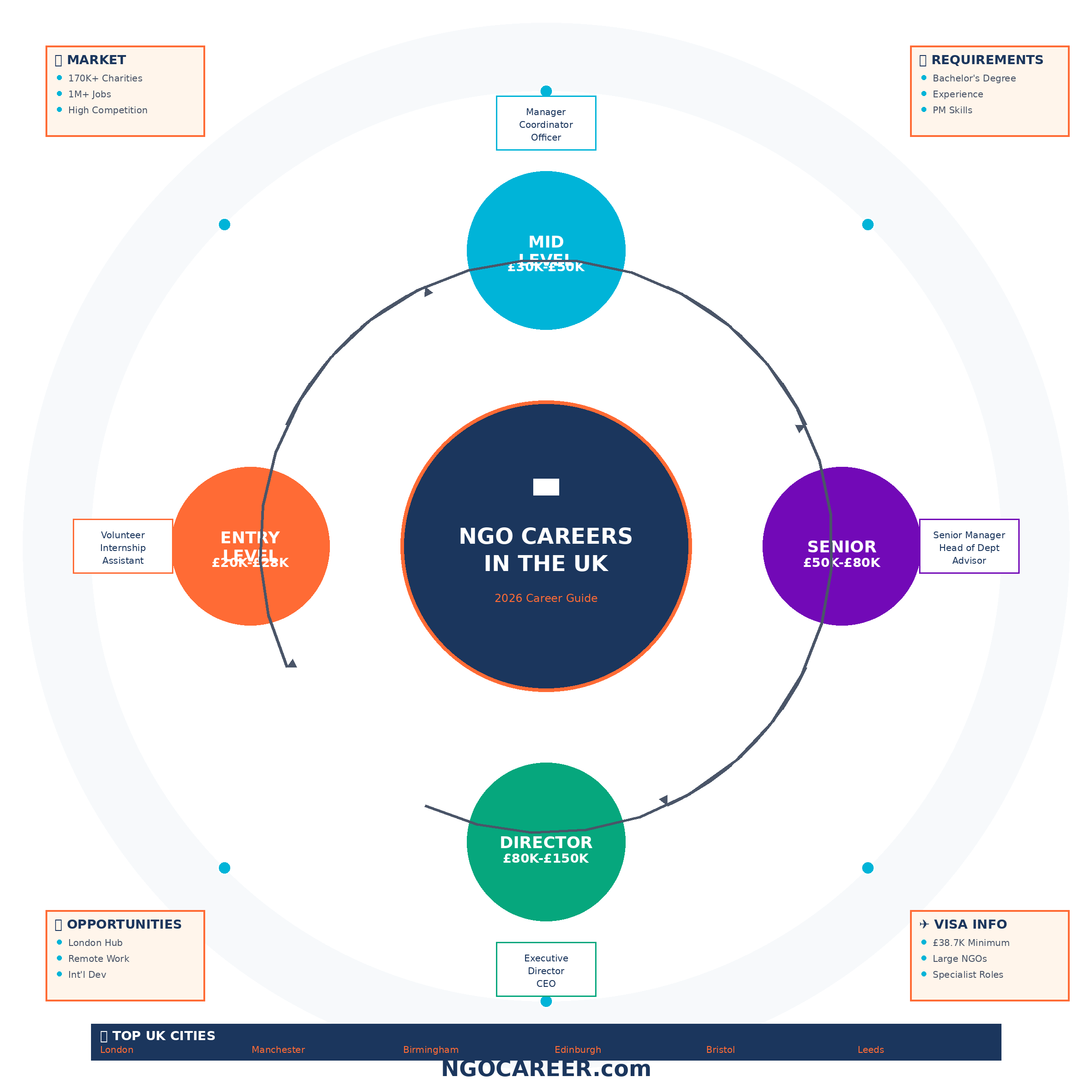
NGO salaries vary widely based on organisation size, location, and role type. Entry-level positions typically offer modest compensation compared to private sector equivalents, though some large international organisations provide competitive packages. Candidates should research typical salary ranges for specific roles and organisations whilst recognising that initial positions may prioritise experience-building over compensation. Many professionals accept lower initial salaries as investments in sector entry, planning to increase earnings as they gain experience.
How important is speaking multiple languages for NGO work?
Language skills significantly enhance employability, particularly for international roles and organisations working in specific regions. Whilst not always required for entry-level positions, proficiency in French, Spanish, Arabic, or other widely spoken languages opens substantially more opportunities. Even intermediate language abilities demonstrate cultural competency and commitment to cross-cultural work. Candidates should consider language learning an ongoing professional development priority rather than a prerequisite for sector entry.
How to break into a new industry with no experience?
Breaking into any new industry without experience requires a strategic, multi-faceted approach that demonstrates transferable skills and genuine commitment. First, conduct thorough research to understand industry requirements, key players, and typical career pathways. Identify transferable skills from previous roles or education that align with target positions, emphasising achievements that demonstrate relevant capabilities. Build industry-specific knowledge through online courses, professional certifications, and self-directed learning to bridge knowledge gaps. Network extensively by attending industry events, joining professional associations, and conducting informational interviews with established professionals. Gain practical experience through volunteering, internships, freelance projects, or part-time roles that provide hands-on exposure. Tailor application materials to highlight relevant skills and demonstrate industry understanding rather than focusing on lack of direct experience. Consider entry through adjacent roles that require less specialised experience, allowing internal transitions once established. Maintain persistence and resilience, recognising that industry transitions typically require time, multiple applications, and sometimes initial salary compromises.
References
Bond (n.d.) 'Working in international development', Available at: https://www.bond.org.uk/resources/working-in-international-development
CharityJob (n.d.) 'UK charity and non-profit sector employment trends', Available at: https://www.charityjob.co.uk
DevEx (n.d.) 'Career advice for international development professionals', Available at: https://www.devex.com/careers
Humanitarian Leadership Academy (n.d.) 'Building careers in humanitarian response', Available at: https://www.humanitarianleadershipacademy.org
Idealist (n.d.) 'NGO and non-profit career opportunities worldwide', Available at: https://www.idealist.org
InterAction (n.d.) 'NGO career pathways and professional development', Available at: https://www.interaction.org
ReliefWeb (n.d.) 'Humanitarian employment and career resources', Available at: https://reliefweb.int/jobs
UN Volunteers (n.d.) 'Online volunteering opportunities', Available at: https://www.unv.org/become-volunteer/volunteer-online





Leave a Reply
Required fields are marked *