

Essential Skills and Qualifications Needed for NGO Jobs: What Employers Are Really Looking For
Introduction
The non-governmental organisation sector has undergone significant transformation in recent years, presenting a landscape markedly different from even a decade ago. NGO employers today seek candidates who combine traditional humanitarian values with contemporary technical proficiency, cultural intelligence, and adaptive leadership capabilities. Understanding what NGO recruiters genuinely prioritise when evaluating candidates can mean the difference between securing a meaningful career in international development and remaining on the periphery of opportunity.
The competitive nature of NGO employment has intensified considerably, with organisations receiving hundreds of applications for single positions. This comprehensive guide explores the essential skills, qualifications, and attributes that NGO employers actively seek, drawing upon current recruitment trends, sector analysis, and insights from human resources professionals working within international development organisations. Whether you are an early-career professional seeking entry into the sector or an experienced practitioner looking to advance, understanding these requirements provides strategic advantage in your career development.
Overview of Essential Competency Areas
Successful NGO professionals must develop competencies across eight interconnected areas: technical skills, communication abilities, academic qualifications, personal qualities, leadership capabilities, field experience, specialised expertise, and emerging competencies. This integrated skill set enables professionals to navigate the complex, cross-cultural, and resource-constrained environments characteristic of international development work.
Academic Qualifications That Open Doors
Academic credentials remain foundational to NGO recruitment, though the specific qualifications valued have evolved to reflect contemporary challenges. Master's degrees in international development, public health, humanitarian assistance, conflict resolution, environmental science, or social policy continue to provide competitive advantage, particularly for mid-level and senior positions. However, employers increasingly value interdisciplinary education that combines technical expertise with understanding of social systems and human behaviour.
Key Academic Credentials Include:
- Master's degrees in International Development, Public Health, or Humanitarian Studies
- Professional certifications in Project Management (PMD Pro, PRINCE2)
- Sphere Standards and Core Humanitarian Standard certification
- Child Protection and PSEA (Prevention of Sexual Exploitation and Abuse) training
- Gender mainstreaming and disability inclusion certifications
Specialised certifications have gained prominence alongside traditional degrees. Professional qualifications in project management, monitoring and evaluation, grant writing, safeguarding, and compliance demonstrate commitment to professional standards. Many NGO employers specifically seek candidates with formal training in areas such as gender mainstreaming, disability inclusion, climate adaptation, and digital transformation. These credentials signal that candidates possess not merely theoretical knowledge but practical competencies aligned with organisational priorities and donor requirements.
Interestingly, the absolute requirement for postgraduate education has softened for certain roles, with employers demonstrating greater willingness to value equivalent professional experience, particularly for candidates from the Global South or those with lived experience of the issues being addressed. This shift reflects growing recognition that formal academic credentials, whilst valuable, do not monopolise expertise or perspective.
Technical Skills Driving Modern NGO Operations
Digital literacy has transitioned from desirable to essential across virtually all NGO positions. Employers expect proficiency with project management platforms, customer relationship management systems, data visualisation tools, and collaborative technologies. Familiarity with specific software such as Microsoft Power BI, Tableau, Salesforce, or specialised humanitarian platforms like KoBoToolbox demonstrates readiness to contribute immediately to operational effectiveness.
Core Technical Competencies:
- Project Management: Logical framework design, work planning, resource allocation
- Data Analysis: SPSS, R, Python, Stata for quantitative and qualitative analysis
- M&E Systems: KoBoToolbox, ODK, CommCare for data collection and monitoring
- Financial Management: Budgeting, financial reporting, donor compliance
- Grant Writing: Proposal development, concept notes, theory of change design
- Digital Tools: MS Office Suite, CRM systems, project management platforms
Data analysis capabilities have become particularly prized, with organisations increasingly operating in evidence-based frameworks that demand rigorous monitoring, evaluation, accountability, and learning processes. The ability to design surveys, analyse quantitative and qualitative data, produce compelling visualisations, and translate findings into actionable recommendations distinguishes candidates in competitive recruitment processes. Statistical software proficiency, whether SPSS, R, Stata, or Python, provides measurable advantage for research, monitoring, and evaluation positions.
Financial management skills extend beyond finance departments, with programme staff expected to understand budgeting, financial reporting, and compliance requirements. Knowledge of donor financial regulations, cost-sharing arrangements, and budget realignment procedures reflects the realities of restricted funding environments where every staff member contributes to organisational sustainability through responsible resource stewardship.
Communication and Language Competencies
Exceptional written communication remains amongst the most valued skills in NGO recruitment. The ability to produce clear, persuasive proposals, comprehensive reports, policy briefs, and advocacy materials directly impacts organisational effectiveness and funding success. Employers seek candidates who can adapt their writing style to diverse audiences, from technical reports for donors to accessible communications for beneficiary communities and compelling narratives for public engagement.
Essential Language and Communication Skills:
- English fluency (essential for most international positions)
- French, Spanish, or Arabic (highly advantageous for specific regions)
- Regional languages relevant to operational contexts
- Technical report writing and donor communication
- Public speaking and presentation skills
- Media relations and advocacy messaging
Multilingual capabilities provide decisive competitive advantage, particularly for international positions. Whilst English proficiency is standard, fluency in French, Spanish, Arabic, Portuguese, or regional languages relevant to operational contexts significantly enhances employability. Language skills demonstrate cultural commitment and enable more effective community engagement, stakeholder coordination, and local partnership development.
Presentation and public speaking abilities have grown increasingly important as NGOs engage more actively in advocacy, thought leadership, and public awareness campaigns. The capacity to represent organisational positions articulately in conferences, media interviews, stakeholder meetings, and community forums reflects professionalism and amplifies impact.
Cross-Cultural Competence and Adaptive Intelligence
Cultural intelligence encompasses far more than international experience or language skills. NGO employers seek candidates who demonstrate genuine cultural humility, reflexive practice, and ability to navigate complex social dynamics across diverse contexts. This includes recognising power dynamics, understanding historical contexts, appreciating indigenous knowledge systems, and working collaboratively with local partners as equals rather than beneficiaries.
Key Personal Qualities and Attributes:
- Cultural humility and reflexive practice
- Adaptability and resilience under pressure
- Emotional intelligence and self-awareness
- Collaborative mindset and team orientation
- Ethical integrity and commitment to values
- Stress management and wellbeing awareness
Adaptive leadership capacity has become essential as NGOs operate in increasingly volatile, uncertain, complex, and ambiguous environments. Employers value candidates who remain effective under pressure, demonstrate resilience through setbacks, embrace uncertainty as inherent to development work, and maintain ethical clarity when facing difficult decisions. The ability to pivot strategies, learn from failure, and innovate within resource constraints distinguishes exceptional candidates.
Emotional intelligence and interpersonal effectiveness underpin successful NGO careers. The capacity to build trust across cultural boundaries, facilitate inclusive decision-making, manage conflict constructively, and maintain team cohesion through challenging circumstances reflects maturity essential for operational success. Employers specifically assess candidates' self-awareness, empathy, and capacity for collaborative rather than hierarchical leadership.
Leadership and Management Capabilities
Modern NGO operations demand sophisticated leadership capabilities that extend beyond traditional management hierarchies. Effective NGO leaders demonstrate strategic thinking, team coordination, performance management, and capacity building skills whilst maintaining collaborative approaches that empower local partners and staff members.
Leadership Competencies:
- Strategic planning and implementation
- Team coordination and performance management
- Capacity building and staff development
- Risk management and contingency planning
- Change management and innovation leadership
- Conflict resolution and mediation
Field Experience and Contextual Knowledge
A significant shift in NGO recruitment involves growing recognition that lived experience provides invaluable expertise. Organisations increasingly prioritise candidates with direct understanding of the communities they serve, whether through personal background, extended community immersion, or substantive local partnership experience. This reflects broader decolonisation efforts within the sector and recognition that effective development requires deep contextual knowledge rather than external expertise alone.
Valued Field Experience:
- Direct community engagement and programme implementation (3-5 years recommended)
- Experience in developing country contexts or conflict-affected areas
- Work with vulnerable populations (refugees, IDPs, marginalised communities)
- Emergency response and humanitarian assistance operations
- Local partnership development and stakeholder coordination
- Regional expertise in specific geographic contexts
Field experience remains highly valued, though the nature of valued experience has evolved. Employers seek candidates who have worked directly with communities, implemented programmes, navigated operational challenges, and demonstrated commitment through sustained engagement rather than brief consultancies or visits. Experience with specific vulnerable populations, conflict-affected contexts, or complex emergencies provides particular advantage for humanitarian positions.
Local knowledge and networks within specific geographic regions or thematic areas differentiate candidates significantly. Understanding political economies, social structures, institutional landscapes, and historical trajectories of particular countries or regions enables more effective programme design and implementation. Candidates who have built genuine relationships with local civil society, government stakeholders, and community leadership bring immediate operational value.
Specialised Expertise and Technical Domains
Contemporary NGO operations increasingly require specialised technical expertise across diverse thematic areas. Professionals with deep knowledge in specific sectors provide essential technical leadership for programme design, implementation, and quality assurance.
High-Demand Specialisations:
- Climate adaptation and environmental sustainability
- Gender equality and women's empowerment
- Protection, safeguarding, and child rights
- WASH (Water, Sanitation, and Hygiene)
- Public health, nutrition, and food security
- Digital inclusion and technology for development
- Livelihoods and economic empowerment
- Education in emergencies
Emerging Competencies and Future Skills
Climate literacy has rapidly become essential across all NGO positions, not merely environmental organisations. Understanding climate impacts on development outcomes, integrating climate adaptation into programme design, and recognising intersections between climate justice and other development priorities reflects contemporary realities of international development work.
Future-Ready Competencies:
- Systems thinking and complexity awareness
- Climate literacy across all programming sectors
- Digital transformation and technology integration
- Data protection and digital safeguarding (GDPR compliance)
- Design thinking and human-centred approaches
- Adaptive management and learning orientation
- Decolonisation practice and power awareness
Digital safeguarding and data protection knowledge has become critical as organisations manage increasing volumes of sensitive information. Understanding GDPR compliance, preventing sexual exploitation and abuse through technology, and protecting beneficiary data demonstrates professional responsibility in an interconnected digital environment.
Systems thinking and complexity-aware approaches distinguish sophisticated candidates who understand that development challenges resist linear solutions. The ability to analyse interconnected systems, identify leverage points, anticipate unintended consequences, and design adaptive programmes reflects intellectual sophistication increasingly demanded by NGO employers.
Current Challenges Facing NGO Job Seekers
Competition for NGO positions has intensified considerably, with organisations often receiving 200-500 applications for single advertised positions. This saturated market particularly affects entry-level candidates, creating a challenging paradox where experience is required for positions ostensibly designed for early-career professionals. Many qualified candidates struggle to secure initial opportunities despite possessing relevant education and demonstrated commitment.
Geographical constraints present significant barriers, with many international NGO positions requiring candidates to relocate internationally, often to challenging environments with limited amenities, security concerns, and family separation. These requirements can exclude talented candidates with caring responsibilities, health considerations, or other legitimate constraints on mobility.
The sector's persistent gender and racial inequities create structural barriers for many qualified candidates. Despite rhetoric around diversity and inclusion, leadership positions within international NGOs remain disproportionately occupied by white Western professionals, whilst local staff in operational contexts face glass ceilings limiting career progression. Women continue to be underrepresented in senior leadership and field coordination roles.
Opportunities for Strategic Career Development
The NGO sector's evolution creates new entry points and career pathways for strategic candidates. Growing emphasis on localisation and national staff leadership creates opportunities for professionals from programme countries to access leadership positions previously dominated by international expatriates. This shift reflects both principled commitment to equity and practical recognition of the effectiveness of local leadership.
Emerging thematic areas present opportunities for candidates with specialised expertise. Climate adaptation, digital inclusion, mental health and psychosocial support, urban programming, and migration and displacement have become major funding priorities, creating demand for technical specialists in these domains. Early investment in expertise within these growth areas positions candidates advantageously.
The expanding ecosystem of social enterprises, impact investing organisations, and hybrid models blurs traditional boundaries between NGO and private sector careers. Candidates with commercial acumen, entrepreneurial mindsets, and understanding of market-based solutions find growing opportunities at this intersection of development and business.
Practical Guidance for Aspiring NGO Professionals
Securing NGO employment requires strategic career planning rather than reactive job applications. Candidates should identify specific thematic or geographic specialisations and build genuine expertise through sustained engagement rather than attempting to present themselves as generalists. Depth of knowledge and demonstrated commitment to particular issues distinguish candidates more effectively than breadth alone.
Strategic Career Development Steps:
- Identify specific thematic or geographic specialisation
- Pursue relevant volunteering and internship opportunities
- Build professional networks through sector conferences and associations
- Invest in technical certifications and continuous learning
- Gain field experience through short-term assignments or consultancies
- Develop language skills relevant to target geographic regions
- Create portfolio demonstrating technical competencies and impact
Volunteering and internships, whilst potentially exploitative when unpaid, remain important pathways for building experience and professional networks. Strategic candidates seek opportunities offering substantive responsibilities, skill development, and potential for permanent positions rather than merely prestigious organisational names. Demonstrating impact through volunteer roles, even at local grassroots organisations, provides concrete evidence of capabilities.
Professional networking within the sector operates through both formal and informal channels. Active engagement in professional associations, attendance at sector conferences, participation in online communities, and informational interviews with experienced professionals all contribute to visibility and opportunity awareness. Many NGO positions are filled through internal referrals before external advertisement, making networks critical for access.
Future Outlook and Evolving Trends
The NGO sector will continue evolving rapidly, driven by shifting geopolitical dynamics, changing donor priorities, technological advancement, and growing demands for accountability and localisation. Successful NGO professionals will demonstrate continuous learning, adaptability to changing contexts, and willingness to question inherited assumptions about development effectiveness.
Artificial intelligence and automation will increasingly transform NGO operations, creating demand for professionals who can leverage these technologies whilst ensuring ethical application and human-centred approaches. Data science capabilities will become standard expectations rather than specialised skills, requiring ongoing professional development for existing practitioners.
The boundaries between humanitarian, development, and peace-building work will continue blurring as complex emergencies, protracted crises, and conflict-affected contexts become the norm rather than exceptions. This integrated approach demands professionals with cross-sectoral understanding rather than narrow specialisation in emergency response or long-term development programming.
Frequently Asked Questions
What is the minimum education required for NGO jobs?
Educational requirements vary significantly by position level and organisational type. Entry-level positions typically require bachelor's degrees in relevant fields, whilst mid-level and senior positions increasingly expect master's degrees or equivalent professional experience. Specialised technical roles may require specific certifications or professional qualifications beyond academic degrees.
Do I need international experience to work for NGOs?
International experience is not universally required, particularly for national positions, entry-level roles, or headquarters-based positions. However, for field coordination and senior programme positions, demonstrated ability to work effectively across cultural contexts provides competitive advantage. Relevant experience can be gained through international volunteering, academic exchanges, or cross-cultural collaboration.
How important are language skills for NGO employment?
Language skills significantly enhance employability, particularly for international positions. English proficiency is standard across most international NGOs, but additional languages—especially French, Spanish, Arabic, or regional languages—provide decisive advantages for field positions and operational roles requiring community engagement and stakeholder coordination.
Can I transition into NGO work from the private sector?
Private sector professionals successfully transition to NGO careers, particularly when bringing valuable transferable skills such as financial management, human resources, communications, information technology, or specific technical expertise. However, candidates must demonstrate genuine commitment to development values and understanding of NGO operating contexts rather than merely seeking career change.
What salary expectations should I have for NGO positions?
NGO salaries vary considerably by organisation size, funding levels, position seniority, and location. International NGO positions typically offer competitive salaries with comprehensive benefits for expatriate staff, though generally lower than equivalent private sector roles. Local staff positions often reflect national salary scales. Transparency about salary expectations during recruitment processes ensures alignment between candidates and organisations.
How can I gain experience when all positions require prior experience?
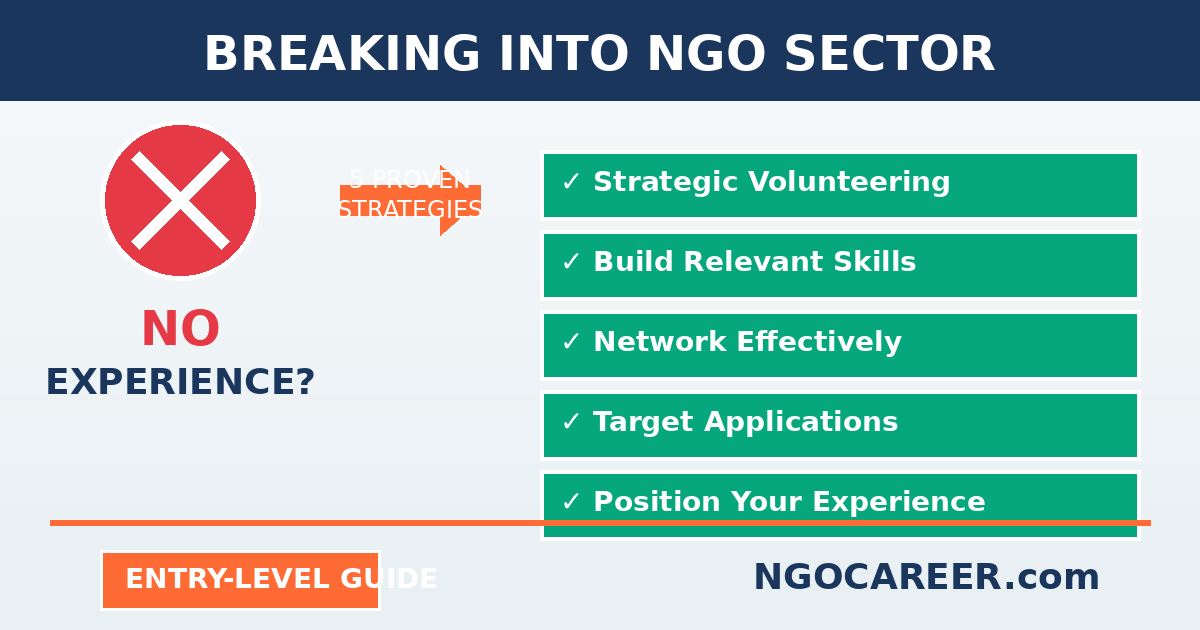
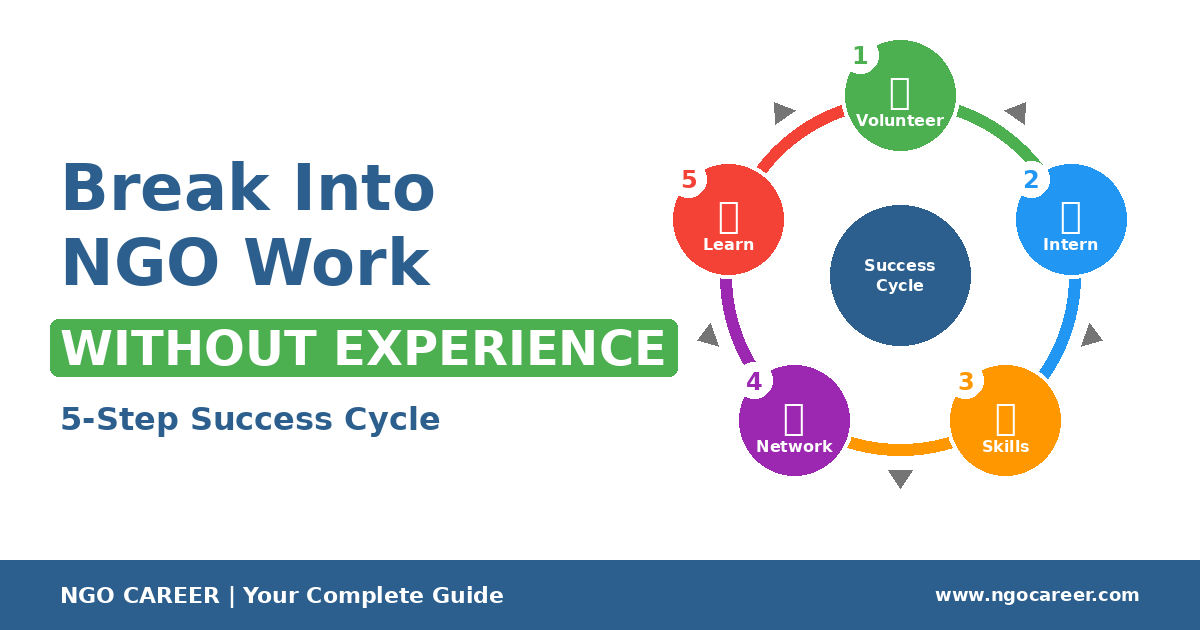
This common challenge requires creative strategies including volunteering with local organisations, pursuing internships offering substantive responsibilities, engaging in community organising or activism, developing independent research or advocacy projects, or accepting short-term consultancies. Building transferable skills through adjacent sectors or demonstrating self-initiated engagement with development issues can also provide credible experience.
Conclusion
Securing meaningful employment within the NGO sector requires far more than altruistic intentions or academic credentials alone. Successful candidates demonstrate sophisticated combinations of technical expertise, cultural intelligence, adaptive leadership, and genuine commitment sustained through practical engagement. The sector's evolution toward localisation, evidence-based practice, and integrated approaches to complex challenges creates both opportunities and requirements for contemporary NGO professionals.
Aspiring NGO workers must approach career development strategically, building specialised expertise, cultivating professional networks, developing valued technical skills, and demonstrating cultural humility and reflexive practice. The competitive nature of NGO recruitment demands differentiation through genuine depth of knowledge, proven impact, and alignment between personal values and organisational missions.
The future of international development depends upon attracting and retaining talented professionals who combine technical excellence with ethical commitment, cultural sensitivity with analytical rigour, and innovative thinking with accountability to communities. Understanding what NGO employers genuinely seek enables candidates to invest strategically in their professional development and contribute meaningfully to addressing global challenges through the non-governmental sector.
References
Banks, N., Hulme, D. and Edwards, M. (2024) 'NGOs, states, and donors revisited: Still too close for comfort?', World Development, 156, pp. 106-127.
Dube, E. and Marnewick, C. (2023) 'Skills required by project managers in non-governmental organisations', International Journal of Managing Projects in Business, 16(4), pp. 672-694.
Haaland, H. and Wallevik, H. (2024) 'Localisation in practice: Changing power dynamics in humanitarian and development NGOs?', Journal of International Development, 36(1), pp. 287-304.
Hossain, F. and Rana, S. (2023) 'The changing landscape of NGO employment: Perspectives from the Global South', Voluntas: International Journal of Voluntary and Nonprofit Organizations, 34(5), pp. 1043-1059.
ICVA (2024) Localisation and the humanitarian workforce: Skills and competencies for 2025 and beyond, Geneva: International Council of Voluntary Agencies.
Kamstra, J., Knippenberg, L. and Schulpen, L. (2023) 'Moving beyond good intentions: Decolonising practices in Dutch development NGOs', Critical Sociology, 49(6), pp. 945-962.
Madden, R. and Moretti, S. (2024) 'Digital transformation in humanitarian organisations: Required capabilities and workforce development', Disasters, 48(1), pp. 78-96.





Leave a Reply
Required fields are marked *